How Labor Analytics Helps Improve Warehouse Workforce Efficiency
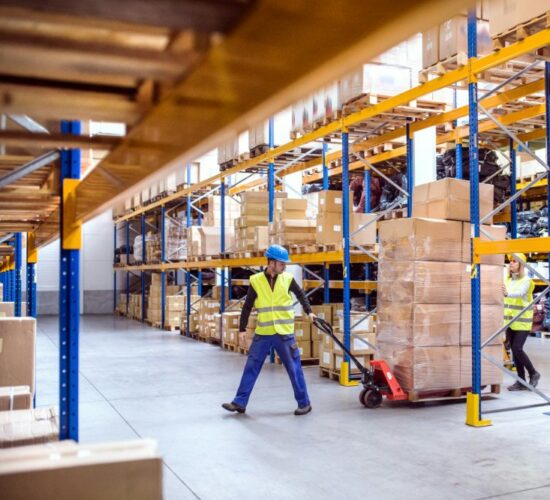
Warehouse operations depend on employees who receive products, organize inventory, pick orders, and prepare shipments. When managers cannot clearly understand how labor resources are used, daily operations may become inefficient. Uneven workloads, unnecessary movement, and poor scheduling can increase expenses while slowing order fulfillment.
Labor analytics helps warehouse managers make better workforce decisions through accurate performance information. By studying employee activity, task completion times, and staffing patterns, businesses can identify opportunities for improvement. This approach supports efficient scheduling, stronger teamwork, and more consistent productivity. It also helps organizations balance operational goals with employee safety and reasonable workloads.
Understanding Labor Analytics in Warehouse Operations
Labor analytics involves collecting and reviewing information about how employees complete warehouse activities. Managers may examine picking times, packing rates, order volumes, and staffing levels. These measurements help explain how labor resources support daily operations. Instead of relying only on general observations, supervisors can use reliable information to understand where time and effort are spent.
However, labor analytics should focus on improving work processes rather than simply increasing employee output. Performance results can reflect equipment availability, product locations, order complexity, and workplace conditions. Managers must consider these factors before evaluating individual performance. When businesses interpret data fairly, they can identify operational problems and develop improvements that benefit both employees and the organization.
Improving Workforce Scheduling Through Data
Warehouse demand often changes throughout the day, week, or season. Some periods require additional workers to process incoming shipments, while others involve higher picking and packing activity. Labor analytics helps managers identify these patterns by comparing historical order volumes with staffing requirements. This information supports schedules that better match actual workloads.
For example, a distribution center may receive most customer orders during the afternoon. Managers can adjust shift coverage to ensure enough employees are available during busy periods. Better scheduling can reduce unnecessary overtime while preventing understaffing. However, workforce plans should also account for breaks, training, absences, and unexpected demand. Flexible scheduling helps maintain reliable operations without placing excessive pressure on employees.
Identifying Productivity Gaps in Daily Workflows
Warehouse employees may experience delays because of inefficient processes rather than limited effort. Long walking distances, unavailable equipment, and unclear instructions can reduce productivity. Labor analytics helps managers identify these problems by comparing task completion times across different activities. Repeated delays may indicate that a workflow needs improvement.
For example, picking records might show that employees spend additional time collecting products from distant storage locations. Instead of expecting workers to move faster, managers can reorganize frequently requested items. This adjustment may reduce travel time and improve overall efficiency. By examining the causes behind performance differences, businesses can develop practical solutions that support sustainable productivity.
Using Performance Metrics to Support Better Decisions
Performance measurements help managers understand whether warehouse operations meet business expectations. Common measurements include orders picked per hour, packing accuracy, labor hours per shipment, and task completion times. Reviewing these results over time can reveal changes in operational performance and highlight areas requiring attention.
However, managers should avoid using one measurement to judge every employee or activity. Picking a large, fragile product may require more time than collecting several small items. Different tasks also involve different safety and quality requirements. Fair comparisons consider these differences and use several measurements together. This balanced approach helps managers make informed decisions without encouraging rushed work or unnecessary mistakes.
Strengthening Employee Training and Skill Development
Labor analytics can reveal where employees may benefit from additional training. When certain tasks consistently take longer or produce more errors, managers can investigate whether instructions, equipment knowledge, or experience contribute to the problem. Targeted training helps employees develop the skills needed to complete assignments accurately and confidently.
For example, new warehouse workers may need guidance on inventory systems or barcode scanning procedures. Experienced employees might benefit from training when businesses introduce updated equipment. Managers can review performance before and after training to evaluate its effectiveness. Supporting skill development improves workforce flexibility and helps employees prepare for changing responsibilities. It also demonstrates that productivity improvement involves investment in people.
Reducing Labor Costs Without Sacrificing Quality
Labor expenses represent a significant part of warehouse operating costs. Poor scheduling, repeated tasks, and unnecessary overtime can increase spending without improving customer service. Labor analytics helps managers identify these expenses and understand which processes require attention. Better planning can reduce wasted hours while maintaining appropriate staffing levels.
Cost reduction should not depend on unrealistic performance expectations. Employees need adequate time to follow safety procedures, handle products carefully, and maintain order accuracy. For example, reducing packing time without considering quality may increase shipping mistakes and returns. Managers should evaluate total operational costs rather than focusing only on labor hours. Efficient processes create lasting savings when they protect service quality and employee well-being.
Improving Task Allocation Across Warehouse Teams
Warehouse operations involve different responsibilities that require specific skills and equipment. Receiving, inventory management, picking, and packing may experience different workload levels throughout the day. Labor analytics helps supervisors understand these demands and assign employees where their contributions are most useful.
For example, a warehouse may experience a sudden increase in outgoing orders while receiving activity remains relatively quiet. Cross-trained employees could temporarily assist the picking team to prevent delays. Managers should consider employee qualifications, physical requirements, and training before changing assignments. Thoughtful task allocation reduces workload imbalances and supports better cooperation between departments. It also helps businesses respond more effectively to changing operational conditions.
Supporting Workplace Safety and Employee Well-Being
Workforce efficiency should never come at the expense of employee safety. Warehouse activities may involve lifting, repetitive movements, equipment operation, and extended walking. Labor analytics can help managers recognize demanding work patterns and identify opportunities to reduce unnecessary physical strain. Reviewing overtime, task duration, and workload distribution may reveal conditions that deserve attention.
For example, repeated overtime combined with demanding picking assignments may indicate a need for additional staffing or schedule adjustments. Managers can also rotate suitable tasks to reduce repetitive activity where appropriate. However, performance data alone cannot measure employee fatigue or workplace risks accurately. Direct communication, safety inspections, and employee feedback remain essential. Combining these sources supports healthier working conditions and more reliable operations.
Measuring the Impact of Workforce Improvements
Warehouse managers need clear evidence that operational changes produce useful results. Labor analytics allows businesses to compare performance before and after introducing new schedules, training programs, or workflow adjustments. Measurements such as order accuracy, overtime hours, and average task completion times can help evaluate progress.
Employee feedback adds valuable context to these findings. Workers may explain why a new process saves time or creates unexpected difficulties. Managers should review both performance results and practical workplace experiences before making further changes. Regular evaluation helps businesses recognize successful improvements and correct ineffective approaches. This process encourages accountability while supporting continuous learning across warehouse teams.
Creating a Long-Term Data-Driven Workforce Strategy
Labor analytics delivers the greatest value when businesses use it consistently. Warehouse demand, technology, and customer expectations change over time. Managers should regularly review staffing patterns, employee workloads, and operational results to ensure workforce plans remain effective. Reliable data helps organizations respond to these changes with greater confidence.
A successful strategy also requires transparency and responsible data use. Employees should understand which information is collected and how managers use it to improve operations. Clear communication can reduce concerns about unfair monitoring and encourage cooperation. When businesses combine accurate measurements with practical leadership, they can strengthen productivity while respecting employee needs.
Labor analytics helps improve warehouse workforce efficiency by connecting operational information with better management decisions. Through smarter scheduling, targeted training, balanced task allocation, and regular performance reviews, businesses can reduce waste and improve order fulfillment. When managers prioritize accuracy, safety, and employee development alongside productivity, labor analytics becomes a valuable tool for building reliable and sustainable warehouse operations.
Additional Information
- Blog
- Labor analytics, labor resources
- Bobby Atkins