Next-Generation Flow: How Material Handling Is Becoming Safer, Faster, and More Accurate
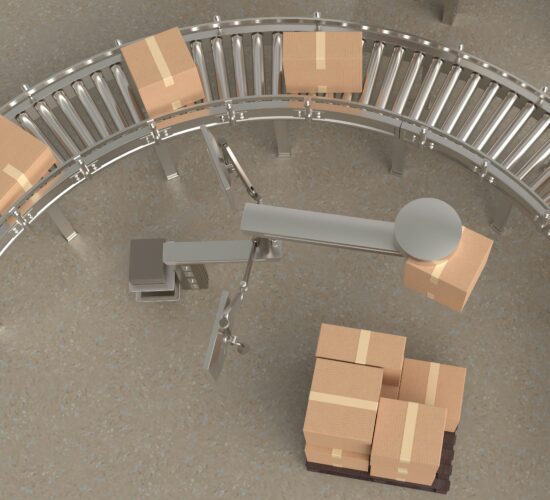
Material handling is evolving quickly as supply chains face higher demand, tighter timelines, and rising customer expectations. Moreover, companies now treat material handling as a strategic function instead of a back-end process. When businesses redesign how they move, store, and distribute goods, they unlock new levels of efficiency. As a result, distribution becomes more predictable and far less costly. This shift sets the foundation for the future of logistics operations.
In addition, modern material handling focuses on speed, safety, and precision working together. Moreover, companies no longer view these goals in isolation, as improvements in one area often support the others. While older systems prioritized volume alone, today’s approach balances performance with worker safety and data accuracy. Therefore, organizations build smarter systems that reduce errors and delays. As a result, distribution networks operate with greater confidence and stability.
Automation That Accelerates Every Step of Distribution
Automation continues to reshape material handling by improving both speed and consistency. Moreover, companies deploy automated conveyors, robotic picking systems, and intelligent sorting machines to handle repetitive tasks. These systems reduce human workload while increasing processing speed. As a result, distribution centers move products faster and with fewer interruptions. Automation creates a more reliable flow from warehouse to delivery.
In addition, automation improves accuracy by reducing manual handling errors. Moreover, machines follow programmed instructions with precise consistency, which reduces inconsistencies in order fulfillment. While human performance can vary with fatigue or workload, automated systems maintain stable performance. Therefore, businesses achieve more accurate shipments and fewer returns. As a result, customer satisfaction improves while operational costs decrease over time.
Smart Technologies That Improve Visibility and Control
Smart technology plays a major role in the future of material handling by providing real-time visibility across operations. Moreover, companies use sensors, tracking systems, and connected platforms to monitor inventory movement at every stage. This visibility helps managers make faster and better decisions. As a result, distribution becomes more responsive and less prone to delays. Real-time data transforms how companies manage logistics.
In addition, data-driven systems help businesses predict demand and adjust operations accordingly. Moreover, advanced analytics identify patterns that improve forecasting accuracy. While traditional systems rely solely on historical data, smart platforms continuously update their information. Therefore, companies respond more effectively to changing conditions. As a result, material handling becomes more adaptive and efficient across the entire supply chain.
Safety Innovations That Protect Workers and Operations
Safety remains a top priority in modern material handling, as workplaces continue to handle heavy equipment and operate at high speeds. Moreover, new safety technologies help reduce workplace accidents and improve overall working conditions. When companies implement sensors, collision-detection systems, and automated alerts, they significantly reduce risks. As a result, workers operate in safer and more controlled environments. Safety becomes an integrated part of system design.
In addition, better training systems improve how workers interact with equipment. Moreover, virtual simulations and digital training tools help employees understand procedures before entering active environments. While traditional training relies heavily on observation, modern methods offer hands-on practice in controlled settings. Therefore, workers build confidence and reduce mistakes. As a result, organizations experience fewer accidents and stronger operational reliability.
Faster Fulfillment Through Streamlined Workflows
Speed plays a critical role in distribution because customers expect rapid delivery and accurate orders. Moreover, companies redesign workflows to reduce unnecessary movement and delays within warehouses. When businesses optimize picking routes and storage layouts, they significantly improve efficiency. As a result, products move through the system more quickly and with fewer errors. Streamlined workflows create a smoother operational flow.
In addition, faster fulfillment depends on coordination between technology and human workers. Moreover, systems guide employees with real-time instructions that reduce confusion and wasted effort. While disorganized processes slow operations, structured workflows keep tasks aligned. Therefore, businesses improve order processing times while maintaining accuracy. As a result, customers receive products faster, which strengthens trust and satisfaction.
Robotics That Enhance Precision and Consistency
Robotics continues to transform material handling by enhancing precision in repetitive and complex tasks. Moreover, robotic systems handle sorting, palletizing, and packaging with consistent accuracy. This reduces the variability that often comes with manual labor. As a result, distribution centers achieve higher levels of operational consistency. Robotics strengthens both speed and reliability.
In addition, robots improve scalability for growing businesses. Moreover, companies can adjust robotic systems to handle higher volumes without significantly increasing labor costs. While manual operations require more staff to scale, robotic systems expand capacity more efficiently. Therefore, businesses maintain performance even during peak demand periods. As a result, robotics supports long-term growth in modern distribution networks.
Sustainability Driving Smarter Material Handling Systems
Sustainability is becoming a major factor in material handling because companies aim to reduce environmental impact while improving efficiency. Moreover, businesses adopt energy-efficient equipment and optimize packaging to reduce waste. These improvements lower operating costs while supporting environmental goals. As a result, sustainable practices become both practical and profitable. Sustainability now plays a strategic role in logistics planning.
In addition, efficient resource use improves overall system performance. Moreover, when companies reduce waste in transportation and storage, they naturally streamline operations. While older systems often generated excess material use, modern systems focus on optimization. Therefore, businesses achieve better results with fewer resources. As a result, sustainability and efficiency work together to strengthen distribution networks.
Workforce Evolution in a Tech-Driven Environment
The future of material handling depends not only on technology but also on how workers adapt to new systems. Moreover, employees now take on more technical and supervisory roles instead of purely manual tasks. This shift improves efficiency while creating new skill opportunities. As a result, workers contribute more strategically to operations. Workforce development becomes a key factor in long-term success.
In addition, training and upskilling programs help employees adjust to advanced systems. Moreover, companies invest in education to ensure workers understand automation and digital tools. While technology changes quickly, continuous learning helps employees stay relevant. Therefore, organizations that support workforce development maintain stronger operational stability. As a result, human expertise continues to play a vital role in modern material handling systems.
Additional Information
- Blog
- companies invest, customer expectations
- Bobby Atkins