Why Basketball Is One of the Best Sports for Lifelong Activity
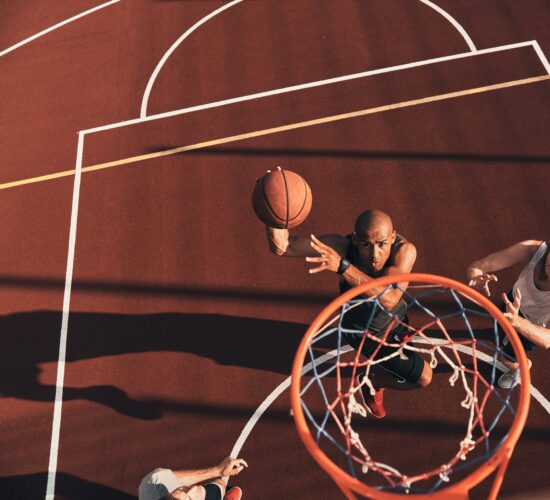
Basketball has a rare ability to stay enjoyable at almost any stage of life. People can play it seriously, casually, alone, or with a group. The game combines movement, skill, focus, and competition to keep people engaged for years. It does not require a large field, expensive gear, or complicated setup. A ball, a hoop, and enough space to move are often all that is needed.
This simple access makes basketball different from many other sports. A person can play full games when younger, then shift toward shooting, light drills, or half-court games later in life. The sport can change with the player. That flexibility is one reason basketball remains such a strong choice for people who want to stay active while keeping a competitive edge.
Basketball Keeps the Whole Body Moving
Basketball involves constant movement. Players walk, jog, change direction, reach, jump, and use their arms throughout a game. These actions keep many parts of the body working at the same time. The activity can help support strength, balance, coordination, and general fitness when people play at a level that suits their ability.
The game also offers variety, which can make exercise feel less repetitive. Instead of repeating the same movement, players react to the ball, other players, and changing situations. That constant adjustment makes the activity feel more natural and engaging. Many people stay active longer when they enjoy what they are doing.
It Supports Healthy Competition at Any Age
Competition can give people a reason to keep improving. Basketball naturally creates this feeling through scoring, defense, shooting, passing, and teamwork. Even a friendly game can bring out focus and effort without needing to become overly intense.
As players get older, competition can become more flexible. Winning does not have to depend on speed or jumping ability. Shooting accuracy, positioning, timing, and decision-making can become more important. This allows experienced players to remain competitive even when their physical style changes.
Basketball Skills Can Improve for Years
Many sports rely heavily on physical traits that may decline over time. Basketball includes skills that can continue to improve with practice. Shooting, ball control, passing, footwork, and awareness all reward patience and repetition.
A player can spend years refining a jump shot or learning how to move more efficiently. Small improvements can keep the game interesting. This sense of progress gives players a reason to continue practicing, even if they no longer play organized games or compete at the same intensity they once did.
The Game Can Be Adjusted to Match Fitness Levels
Basketball does not have to mean playing a full-court game for an hour. People can adjust the activity based on energy, fitness, age, or available time. A short shooting session can still provide movement and skill practice. A half-court game can reduce running while preserving the sport’s competitive aspect.
Players can also control the pace. Some groups play fast and physical games, while others focus on shooting, passing, and light movement. This freedom makes it easier to continue playing basketball over time. People can stay involved without feeling they must perform at the same level as years earlier.
Playing Basketball Can Keep the Mind Engaged
Basketball is physical, but it also requires constant thinking. Players must watch the floor, anticipate movement, make quick decisions, and adjust to what others are doing. This mental activity is part of what makes the sport so engaging.
Every possession presents a different situation. A player may need to decide whether to pass, shoot, move without the ball, or defend a new position. These choices happen quickly. The mental challenge helps prevent the game from feeling routine and gives players another reason to stay connected to it over the long term.
Social Connections Make the Sport Easier to Maintain
Basketball often brings people together. Pickup games, community leagues, local gyms, and neighborhood courts can create regular opportunities to meet and play with others. These connections can make physical activity feel more enjoyable and less like a task.
The social side of the game can also help people stay consistent. It is often easier to show up when teammates or friends are expecting you. Over time, regular games can become part of a weekly routine. The relationships built through basketball may become just as important as the activity itself.
Basketball Offers Several Ways to Stay Active
One of the strongest advantages of basketball is that people can enjoy it without always having to play a formal game. Shooting alone can provide steady movement. Dribbling drills can improve coordination. Passing practice can be done with one other person. These options make it easier to fit basketball into different schedules.
This flexibility also helps when access to a full team is limited. A person does not need ten players to get value from the sport. Solo practice can still be fun and challenging. This makes basketball easier to maintain as a long-term activity because participation does not depend on perfect conditions.
Experience Can Matter More Than Athleticism
Young players may rely on speed and energy, but experience becomes increasingly valuable over time. Older players often learn how to move more efficiently and make better decisions. They may recognize patterns faster, choose better shots, and understand where to position themselves.
This gives basketball lasting appeal. A player does not have to be the fastest person on the court to contribute. Good timing, communication, passing, and awareness can make a major difference. The game continues to reward knowledge, allowing people to stay competitive in ways that fit their evolving abilities.
Regular Play Can Support an Active Lifestyle
Basketball can become part of a broader active routine. A person who plays regularly may also be more motivated to stretch, walk, strengthen muscles, or maintain basic conditioning. The sport can provide a clear reason to take care of the body.
Because basketball feels like play rather than a standard workout, people may find it easier to stay committed. Enjoyment matters when building long-term habits. Activities that feel rewarding are often easier to continue than routines that feel repetitive or forced.
Basketball Can Grow With the Player
The way someone plays basketball at 20 may look very different from how they play at 40 or 60. That change does not mean the sport has to disappear. Players can adjust pace, court size, game length, and intensity while keeping the parts they enjoy most.
This ability to adapt gives basketball lasting value. The sport does not demand one fixed style of participation. It can remain challenging without being extreme, social without being formal, and competitive without becoming overwhelming. That makes it one of the few sports that can stay relevant across many stages of life.
A Sport That Combines Activity and Enjoyment
Staying active becomes easier when the lifelong activity is enjoyable. Basketball provides movement, competition, skill development, and social interaction in one simple game. It gives people many reasons to keep coming back, whether they want exercise, friendly competition, personal improvement, or time with friends.
For people who enjoy sports, basketball can become much more than a short-term hobby. It can remain part of an active lifestyle for decades. With the right pace and approach, players can continue to challenge themselves, stay connected, and enjoy the game long after their most competitive years have passed.
Additional Information
- Blog
- expensive gear, skill practice, social interaction
- Bobby Atkins