Basketball Is the Ultimate Lifetime Sport for Fitness and Mental Sharpness
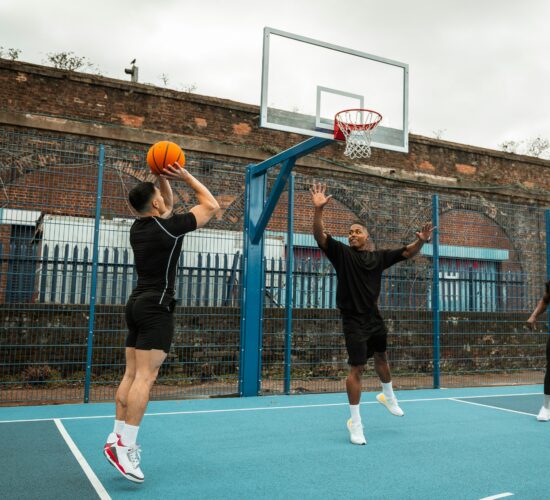
Basketball is one of the few sports that stays meaningful from childhood to adulthood and even into later life. It is simple to learn, easy to access, and powerful in how it develops both physical fitness and mental sharpness. A ball and a hoop are often enough to start, yet the long-term benefits go far beyond casual play.
What makes basketball special is its balance of movement, thinking, and interaction. Players do not just run or shoot; they constantly observe, react, and decide. This mix of physical effort and mental engagement builds a strong foundation for lifelong health, energy, and focus.
A lifelong sport that grows with every stage of life
Basketball begins as a playful activity in childhood, often learned in schoolyards or driveways. At this stage, it builds coordination, balance, and basic movement skills. Children learn how to run, stop, pass, and react in a fun and natural way.
As people grow older, the game evolves with them. Teenagers may play more competitively, while adults often shift toward casual or fitness-based games. Even older players can adjust intensity and still enjoy the benefits. This flexibility is what keeps basketball relevant for life.
Because the sport does not require a strict structure, it is easy to return to after breaks. Many people pick it up again years later without difficulty, which makes it a truly lifelong physical activity.
Full-body movement that builds real-world fitness
Basketball is a complete physical workout disguised as a game. Running up and down the court strengthens the heart and improves lung capacity. Jumping builds lower-body power and supports bone strength over time. Every game also includes constant changes in speed and direction. These movements help improve endurance and overall physical conditioning. The body learns to handle long periods of activity without fatigue.
Upper body strength also develops naturally. Dribbling improves control, passing builds coordination, and shooting strengthens shoulders and arms. Over time, this creates balanced physical development without needing a gym routine. The continuous flow of the game keeps the body active for extended periods. This helps improve stamina in a way that feels natural rather than forced.
Agility, balance, and coordination that stay useful for life
Basketball trains the body to move quickly and efficiently. Players must change direction suddenly, adjust their speed, and respond to unpredictable situations. This constant adaptation improves agility. Balance also improves with regular play. Jumping, landing, and pivoting require strong body control. These repeated movements strengthen stability and reduce awkward or unsafe motion in daily life.
Coordination between eyes, hands, and feet becomes sharper over time. Players learn to track the ball, judge distance, and execute actions simultaneously. This skill is valuable far beyond the court. These physical improvements carry into everyday activities. Walking on uneven ground, carrying objects, or reacting to sudden movement becomes easier and safer.
Mental sharpness is built through fast decision-making
Basketball is not just about movement; it is also about constant thinking. Players must observe the court, understand positions, and react within seconds. This keeps the brain highly active. Decision-making becomes faster with regular play. Players learn when to pass, when to shoot, and when to move. These quick choices build mental clarity under pressure.
The sport also improves focus. With many things happening at once, the brain learns to filter distractions and stay alert. This skill helps in school, work, and daily responsibilities. Memory and awareness also improve. Players remember plays, patterns, and team habits. This strengthens cognitive function naturally and engagingly.
Stress relief and emotional reset through movement
Basketball provides a powerful way to release stress. The physical activity helps reduce tension in the body, especially after long or mentally demanding days. Movement becomes a form of emotional release. The fast pace of the game also forces attention into the present moment. Players stop thinking about problems and focus only on the next play. This creates a mental break that feels refreshing.
Emotional energy improves through participation. Small achievements like scoring, defending, or making a good pass create positive feelings. These moments build confidence over time. Even short games can improve mood. The combination of movement, focus, and interaction helps to reset emotional balance healthily.
Social connection and teamwork that build consistency
Basketball is a deeply social sport. It naturally brings people together through teamwork and shared goals. Communication is always part of the game, whether spoken or unspoken. Playing with others builds strong connections. Friends, teammates, and even casual opponents create a sense of community. These relationships make the sport more enjoyable and motivating.
Social interaction also increases consistency. People are more likely to show up when others depend on them. This helps maintain long-term physical activity without relying on personal discipline alone. Team play also builds trust and cooperation. Players learn how to support each other, adjust roles, and work toward a shared outcome.
Lifelong health, energy, and physical independence
Basketball supports long-term physical health in multiple ways. It improves heart strength, supports muscle tone, and helps maintain a healthy body weight. These benefits become more important with age. Joint flexibility also improves through constant movement. Running, bending, and jumping keep the body mobile and active. This helps reduce stiffness and supports easier movement in daily life.
Mental health also benefits from continued play. Staying active and socially engaged helps reduce feelings of isolation and mental fatigue. The game keeps both body and mind energized. Over time, basketball becomes more than a sport. It becomes a lifestyle habit that supports independence, confidence, and long-term well-being.
Why basketball stands out as a lifelong performance sport
Basketball stands out because it challenges both physical and mental abilities simultaneously. Few activities offer this combination in such a natural and enjoyable way. It builds strength, improves focus, and supports emotional balance without requiring complicated routines.
Players stay engaged because the game always feels different and dynamic. Most importantly, basketball adapts to the player’s life rather than forcing the player to adapt to the sport. This is what makes it a true lifetime activity for fitness and mental sharpness.
Additional Information
- Blog
- mental abilities, physical fitness, physical improvements
- Bobby Atkins