Inventory Control Made Easy: Smart Systems to Stop Overstock and Shortages
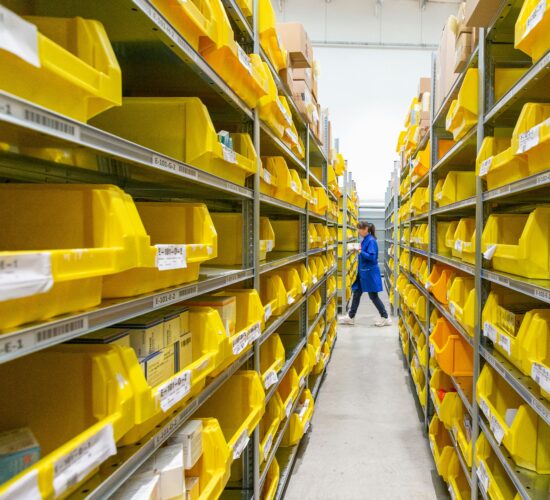
Keeping the right amount of stock is a big part of running a business. Too much, and you waste money and space. Too little, and you lose sales and upset customers. This is where inventory control comes in. With simple systems, you can avoid both overstock and shortages without stress or confusion.
This article explains how easy-to-use methods can help any business master inventory management.
Know What You Have and What You Need
The first step in reasonable inventory control is knowing precisely what is on your shelves. You also need to know what you will need soon. This keeps you from guessing and helps you make intelligent decisions.
Start by making a list of every item you sell or store. Then, track how many you have right now. Update this list every time you sell or restock something. You can do this by hand, in a spreadsheet, or with an app.
The key is staying consistent. When your records are correct, you’ll spot problems early. You’ll also know when it’s time to reorder. With this simple step, you begin to build inventory control systems that work.
Avoid Guesswork With Forecasting
Forecasting means analyzing past sales to predict future demand. It helps you plan how much stock to order. This reduces the chance of having too much or too little.
To start, look at last month’s or last year’s sales. Are there items that always sell more during certain months? Do some products sell better on weekends? Use this info to adjust your orders.
You don’t need a math degree to forecast. Keep an eye on patterns. If you sell more umbrellas in the rainy season, you’ll know to stock up ahead of time.
This kind of planning gives you more control. You’ll spend less time reacting to problems and more time growing your business. Plus, it helps avoid the risks of inventory overstock, which ties up money you could use elsewhere.
Set Simple Rules for Reordering
One of the easiest ways to stay on top of inventory is to set reorder rules. These rules tell you when and how much to restock.
A common rule is the reorder point. This is the number that tells you it’s time to buy more. You calculate it by thinking about how fast you sell an item and how long it takes to get a new order in.
For example, if you sell 5 units of a product each day and delivery takes 4 days, your reorder point should be 20 units. When your stock drops to 20, you place a new order.
Par levels work the same way. They help you set a baseline for stock. When you go below that number, you restock up to the top level.
Both reorder points and par levels help you stay in control without having to check stock every hour. They’re a key part of any strong system.
Label and Organize for Fast Access
Even if you know what you have, you need to find it fast. That’s why clear labeling and smart storage matter.
Keep your inventory neat and grouped by type. Place your best-selling items in easy-to-reach spots. Put labels on all shelves and bins. If possible, use color codes or numbers.
You can also try the First-In, First-Out method (FIFO). This means selling older items first. It works well for products that can expire or go out of style. FIFO also helps you avoid waste and keeps stock moving.
When your stock is organized, your team saves time. You also reduce mistakes like shipping the wrong item or ordering more when you already have enough.
These simple changes can make your inventory process smoother and faster.
Use Technology to Stay Ahead
Today, many tools can make inventory easier. Some apps connect with your sales system and update your stock in real time. Others send alerts when it’s time to reorder.
You don’t need big budgets or fancy tools. Even free or low-cost software can track stock, sales, and supplier info. Some systems also let you scan barcodes with your phone.
If you run a shop or a warehouse, a Point of Sale (POS) system is a great help. It updates stock levels as you sell and keeps your numbers up to date.
Even small businesses can start with digital spreadsheets. What matters is using a method that fits your business and staying consistent.
Adding the proper tools gives you more time to focus on your customers, products, and profits. And over time, it helps you prevent inventory stockouts that hurt your brand and bottom line.
By following these simple steps and building smart habits, you can take control of your inventory and avoid costly mistakes. Whether you run a store, a warehouse, or an online shop, strong inventory control helps your business stay ready, reliable, and profitable.
Additional Information
- Blog
- Bobby Atkins