Fitness Without Limits: Strength Training at Any Age
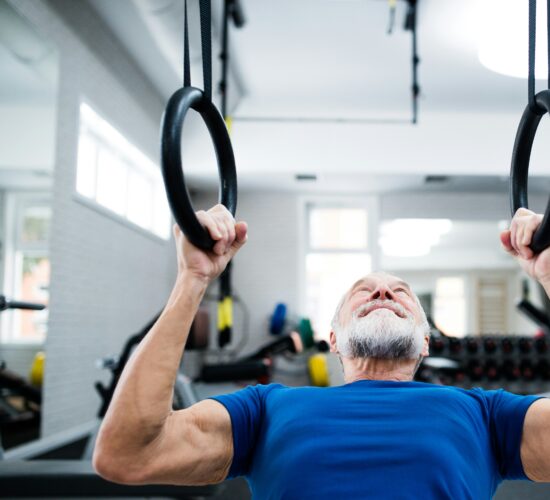
Strength does not belong to youth alone. Many people now understand that strength training at any age supports health, mobility, and independence. In fact, modern fitness research continues to highlight the long-term value of resistance training.
However, the real lesson goes beyond muscle growth. Strength training builds confidence, supports joint stability, and helps people stay active for decades. As a result, more adults now approach fitness with a long-term mindset.
Because of this shift, the concept of fitness without limits has become more meaningful. People increasingly see strength training as a lifelong practice rather than a short-term goal.
Why Strength Training at Any Age Matters for Lifelong Health
The human body responds to strength training throughout life. Muscles, bones, and connective tissue all adapt to progressive resistance.
For example, resistance training improves muscle mass and bone density. These changes help reduce the risk of injuries and mobility loss later in life. Therefore, consistent strength training supports both physical performance and everyday movement.
Moreover, strength training at any age improves metabolic health. Muscles help regulate blood sugar and support energy balance. Because of this, regular resistance exercise contributes to long-term wellness.
Equally important, strength training encourages body awareness. People begin to notice posture, movement quality, and balance more clearly. Over time, these small improvements create lasting health benefits.
Strength Training Builds a Foundation for Active Living
Many fitness programs focus on short-term results. However, sustainable health requires a stable physical foundation. Strength training provides that foundation.
Compound movements such as squats, presses, and rows train the body as a coordinated system. These movements support natural patterns used in daily life. As a result, functional strength becomes easier to maintain.
In addition, strength training improves joint support. Strong muscles stabilize the knees, hips, shoulders, and spine. This support reduces joint stress during everyday activities.
Therefore, strength training at any age helps people remain active longer. Whether someone enjoys hiking, swimming, or simple mobility, strength remains the key driver.
How Resistance Training Supports Healthy Aging
Aging often brings changes in muscle mass and bone strength. However, resistance training helps slow these natural declines.
Studies consistently show that strength training increases muscle fiber recruitment. Even older adults can develop meaningful strength gains with consistent training.
Furthermore, resistance training improves balance and coordination. These improvements lower the risk of falls, which remain a major concern for older adults.
Strength training also supports cognitive health. Exercise increases blood flow to the brain and stimulates neurological activity. Because of this, physical training contributes to mental clarity and focus.
For these reasons, many experts now view strength training as a core pillar of healthy aging.
Breaking the Myth That Strength Training Has an Age Limit
Many people believe that strength training is only for younger athletes. However, this idea lacks scientific support. The body adapts to resistance at nearly every stage of life.
Adults often start strength training in their forties, fifties, or later. Yet they still experience improvements in strength, mobility, and energy.
Moreover, beginners frequently progress faster than expected. Early training stages often produce rapid neural adaptations. As a result, coordination and movement efficiency improve quickly.
The key factor remains consistency, not age. When people train regularly, their bodies respond positively over time.
Therefore, strength training at any age becomes less about competition and more about capability.
Strength Training Improves Mobility and Daily Function
Many people pursue fitness for appearance alone. However, mobility and function often matter more in everyday life.
Strength training supports the muscles that stabilize the spine, hips, and shoulders. These areas play a central role in posture and balance. Consequently, improved strength leads to smoother and safer movement.
For instance, strong legs help people climb stairs, carry groceries, and rise from chairs. Meanwhile, upper-body strength supports lifting, reaching, and pulling motions.
Because of these benefits, resistance training helps maintain independence. People who stay strong often move more easily throughout daily routines.
Thus, strength training serves practical goals beyond aesthetics.
A Simple Approach to Strength Training at Any Age
Many people believe strength training requires complicated programs. In reality, simple principles often produce the best results.
First, consistency matters more than intensity. Training two or three times each week provides a reliable foundation.
Second, progressive resistance encourages gradual improvement. This principle means slowly increasing weight, repetitions, or training volume.
Third, balanced training protects the body. Programs should include pushing, pulling, squatting, and core stability movements.
Additionally, proper recovery supports progress. Muscles grow stronger during rest and repair periods. Therefore, sleep and nutrition remain essential elements of strength development.
This straightforward approach allows people of all ages to train safely and effectively.
The Psychological Benefits of Strength Training
Physical strength often leads to mental strength. Many people report improved confidence after consistent training.
Strength training provides measurable progress. Lifting slightly heavier weights or completing extra repetitions creates clear milestones. These achievements reinforce motivation.
Furthermore, training sessions create structured routines. Routine helps people maintain discipline and focus. Over time, this structure becomes part of a healthy lifestyle.
Strength training also encourages resilience. Challenging workouts teach individuals to work through discomfort and fatigue.
Because of these psychological benefits, resistance training strengthens both body and mindset.
Building a Lifelong Fitness Mindset
The most successful fitness journeys emphasize sustainability. Instead of chasing rapid results, individuals focus on consistent habits.
Strength training fits well with this long-term approach. The body responds gradually, but the benefits accumulate over time.
Moreover, strength training adapts easily to changing needs. Programs can evolve with age, injury recovery, or lifestyle changes.
This flexibility allows people to continue training across decades. Fitness becomes part of identity rather than a temporary goal.
Therefore, strength training at any age supports a mindset built on patience, consistency, and self-awareness.
Strength Training at Any Age Supports Fitness Without Limits
Modern fitness culture increasingly values longevity over short-term performance. Strength training plays a central role in this shift.
By building muscle, improving mobility, and supporting mental resilience, resistance training enhances overall quality of life.
More importantly, it challenges outdated beliefs about aging and physical capability. People now recognize that strength can grow throughout life.
Fitness without limits does not mean endless intensity. Instead, it reflects the idea that progress remains possible at every stage of life.
When individuals embrace strength training at any age, they invest in long-term health, independence, and vitality.
Additional Information
- Blog
- Bobby Atkins